Ikosi-Isheri Local Council Development Area (LCDA) is one of the 57 Local Government Areas and Local Council Development Areas in Lagos State, Nigeria. Located within the Kosofe axis of Lagos State, the LCDA occupies a strategic position, sharing boundaries with Agboyi-Ketu LCDA, Kosofe Local Government, and Ikorodu West LCDA.
The council serves a vibrant mix of residential, commercial, and semi-urban communities, providing essential public services while promoting sustainable development, economic growth, and community well-being.
Covering approximately 8 square kilometres, Ikosi-Isheri is widely recognised for its commercial activities, particularly the Ikosi Fruit and Vegetable Market, one of the largest produce markets in Lagos State and an important hub for agricultural trade.


To provide responsive and inclusive local governance through quality public service delivery, infrastructure development, economic empowerment, environmental sustainability, social welfare, and community participation, while preserving the cultural heritage of Ikosi-Isheri.
To foster sustainable development, enhance the quality of life of residents, and position Ikosi-Isheri Local Council Development Area as a model of effective local governance in Lagos State.
We are committed to delivering efficient, responsive, and citizen-focused public services.
We uphold transparency, responsibility, and ethical conduct in governance.
We encourage collaboration and active engagement between government and residents in community development.
We pursue initiatives that promote long-term social, economic, and environmental progress.
We serve all residents fairly, respecting the diversity of our communities and promoting equal opportunities.
We value and preserve the traditions, history, and identity of the people of Ikosi-Isheri.
Since its establishment, Ikosi-Isheri LCDA has continued to evolve through successive administrations and different phases of local governance. Each period has contributed to the growth of the Council, from the development of administrative structures and public institutions to investments in roads, drainage, markets, healthcare, education, water supply, and other community infrastructure.
Today, the history of Ikosi-Isheri is not only found in its past. It is also being written every day by its residents, traders, entrepreneurs, traditional institutions, public servants, families, and young people who contribute to the life and progress of the community.
From its historic role in the movement of goods into Lagos to its continuing growth as a centre of commerce, culture, and community life, Ikosi-Isheri remains a place shaped by its history and driven by its future.
The story of Ikosi-Isheri is deeply connected to the history and growth of Lagos. Long before the modern structures of roads, markets, offices, and residential communities, the area was already an important meeting point for people, trade, and movement. Its strategic location made it a significant route for traders transporting goods and services into Lagos, earning it the historic description of “the first Lagos.”
This history of movement and commerce has continued to shape the identity of the community. Over time, Ikosi-Isheri has grown from a historically important trading corridor into a vibrant and diverse community with residential neighbourhoods, commercial centres, markets, institutions, and communities that continue to contribute to the development of Lagos State.
The creation of Ikosi-Isheri Local Council Development Area took place during the administration of the former Governor of Lagos State and current President of the Federal Republic of Nigeria, Asiwaju Bola Ahmed Tinubu (GCFR). The creation of the LCDA formed part of broader local government reforms aimed at bringing governance closer to the people, strengthening grassroots administration, and ensuring that communities could participate more directly in their own development.
Ikosi-Isheri LCDA is divided into seven political wards, each representing distinct communities:
Our departments and specialized units work together to ensure efficient administration and effective service delivery across the Council.
Ward A – Isheri Olowoira
Ward B – Shangisha/Magodo
Ward C – Ikosi Oke
Ward D – Orile Ikosi
Ward E – Orile Ketu
Ward F – Maidan/Agiliti
Ward G – Kiokio/Ajegunle
These wards form the foundation of local representation and community participation in governance.
Ikosi-Isheri is home to diverse communities united by a shared commitment to peaceful coexistence and development. The area combines residential neighbourhoods, commercial centres, educational institutions, healthcare facilities, markets, and growing business districts, making it one of the dynamic communities within Lagos State.
Commerce remains one of the major drivers of the local economy. The LCDA hosts numerous markets, shopping centres, and business hubs that support trade, entrepreneurship, and small and medium-sized enterprises (SMEs).
Although the council has limited agricultural land, it has become an important centre for agricultural commerce through its markets, which connect farmers, suppliers, traders, and consumers. This has strengthened food distribution, supported local businesses, and contributed to economic activity across the community.

Ikosi-Isheri LCDA is served by a network of public and private educational institutions, providing learning opportunities from primary to secondary education.
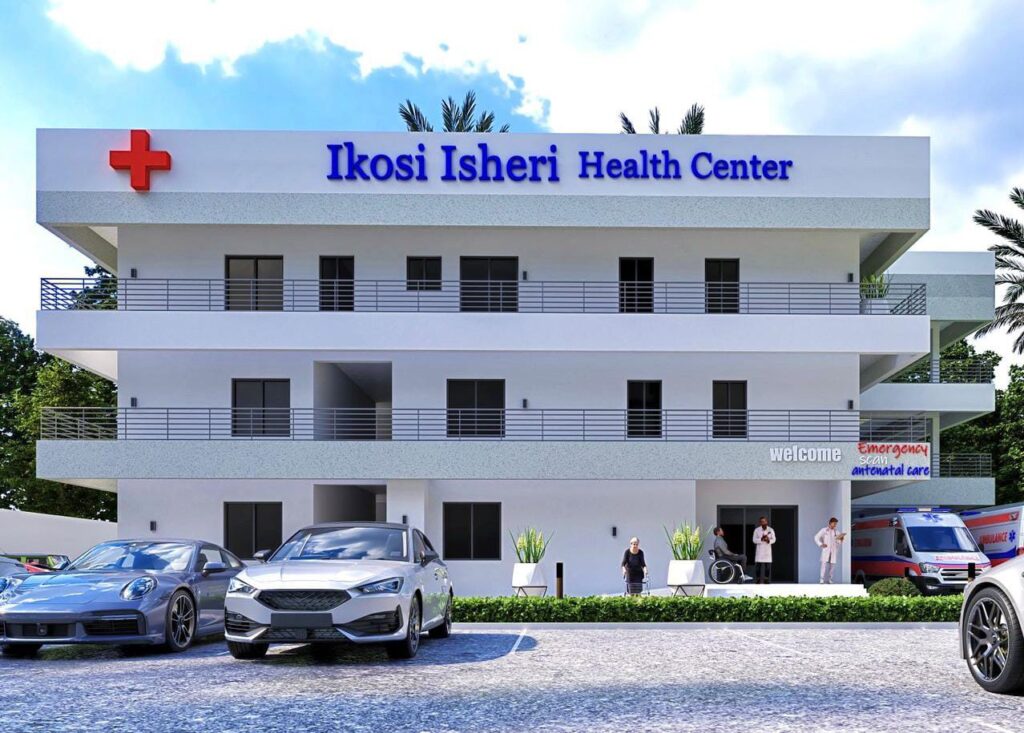
The council also supports access to primary healthcare services through healthcare facilities that provide essential medical services to residents.
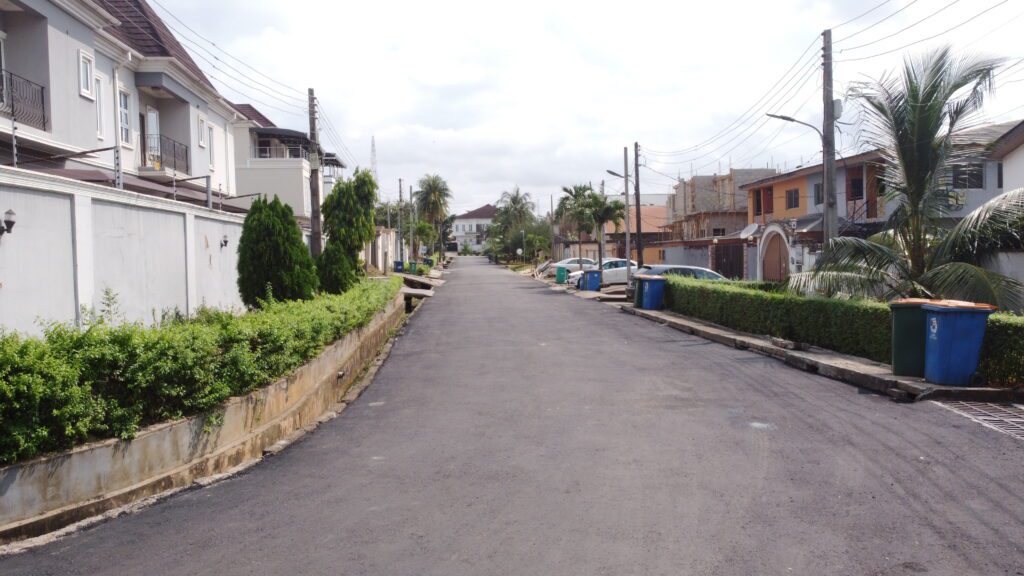
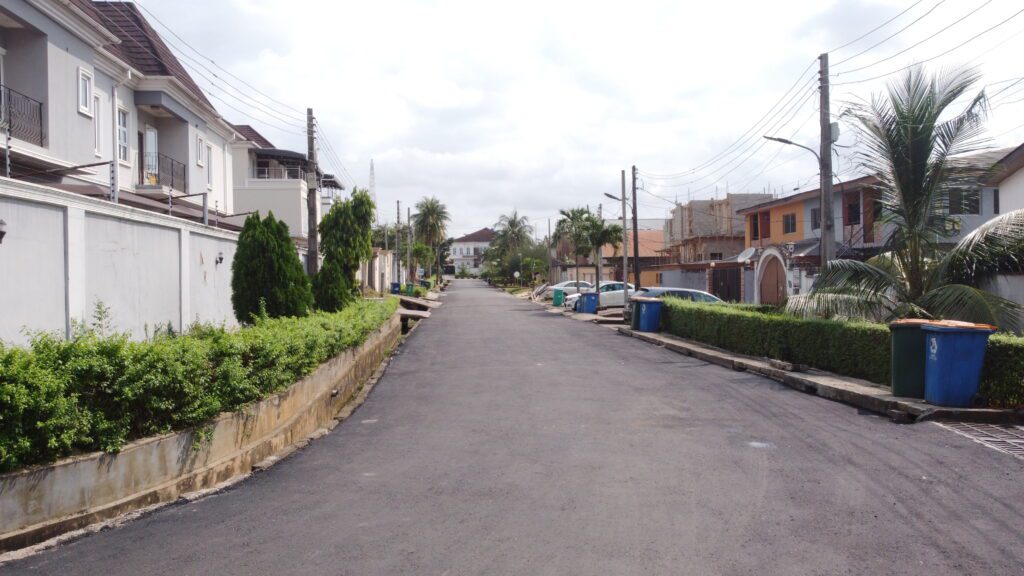
Improving the quality of life for residents remains a key focus of the council. Continuous investments have been made in road infrastructure, drainage systems, environmental management, public utilities, market development, and other community facilities that support sustainable urban growth.

Ikosi-Isheri experiences a tropical savanna climate with two major seasons:
This climate supports year-round economic activity and contributes to the area’s environmental and agricultural characteristics.
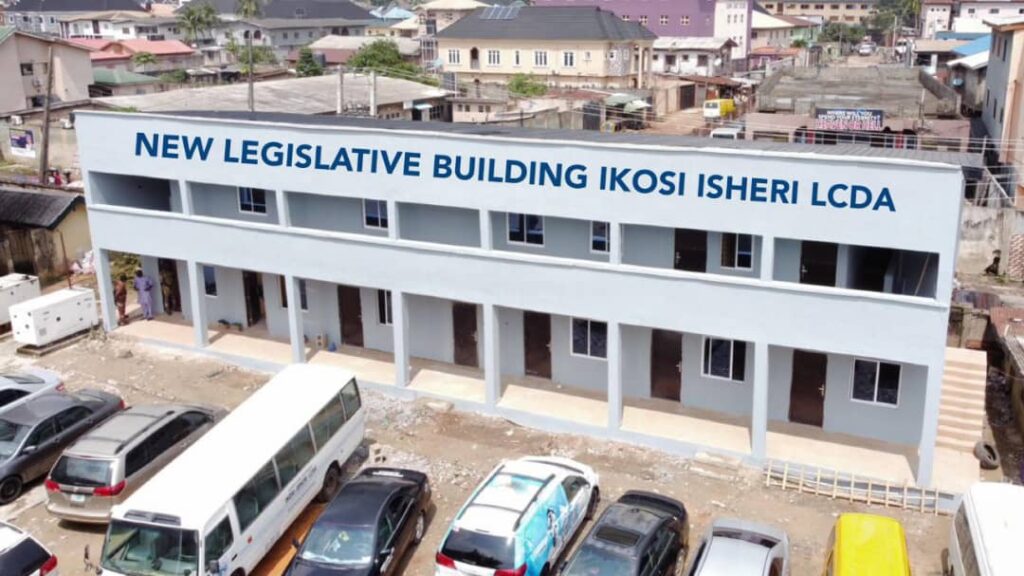
The governance structure of Ikosi-Isheri LCDA comprises the Executive and Legislative arms.
The Executive is led by the Executive Chairman and supported by the Vice Chairman, Secretary to the Local Government, Supervisory Councillors, and departmental leadership responsible for implementing policies and delivering public services.
The Legislative Council consists of elected councillors representing each of the seven wards, providing legislative oversight and representing the interests of their respective communities.
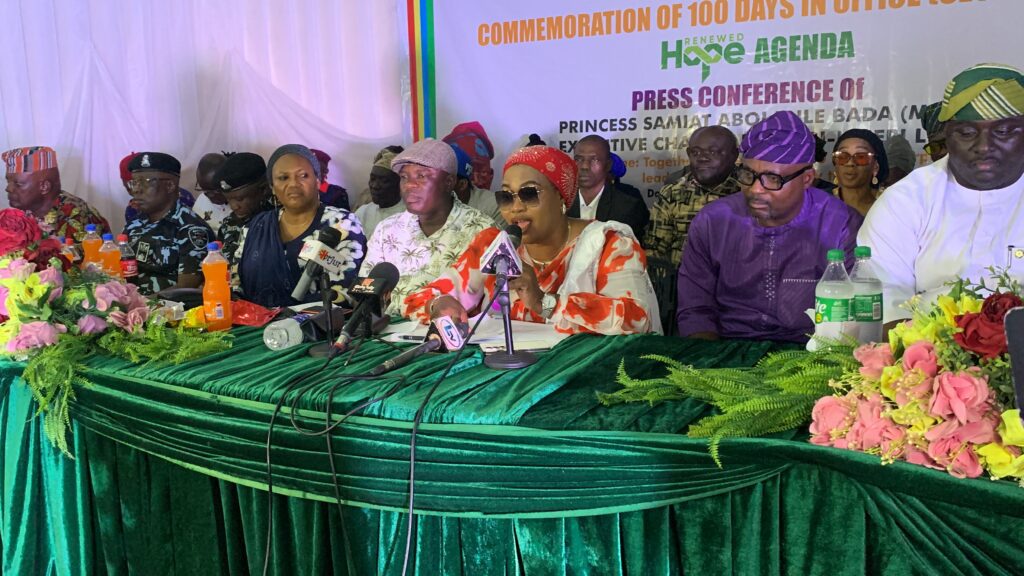

Ikosi-Isheri Local Council Development Area remains committed to delivering responsive governance, improving public infrastructure, promoting economic opportunities, preserving cultural heritage, and enhancing the quality of life for all residents through transparent, inclusive, and sustainable local administration.
Ikosi-Isheri possesses a rich cultural heritage rooted in Awori traditions and Yoruba customs.
The indigenous language of the area is the Awori dialect, while Yoruba, English, Hausa, and Igbo are widely spoken, reflecting the multicultural nature of Lagos State.
Traditional institutions continue to play an important role in preserving the cultural identity of the community. The LCDA is served by three recognised traditional rulers:
The community also recognises several White Cap Chiefs and Baales who contribute to maintaining traditional values and community cohesion.
The annual Ikosi-Isheri Cultural Festival celebrates the area’s history, language, music, dance, traditional attire, and cultural heritage, bringing together residents and visitors from across Nigeria.


One of the 57 Local Government Areas and Local Council Development Areas (LCDAs) in Lagos State.
Located within the Kosofe axis of Lagos State.
Covers an estimated 8 square kilometres.
Comprises seven political wards: Isheri Olowoira, Shangisha/Magodo, Ikosi Oke, Orile Ikosi, Orile Ketu, Maidan/Agiliti, and Kiokio/Ajegunle.
Home to the Ikosi Fruit and Vegetable Market, one of the largest produce markets in Lagos State.
Often referred to as “the first Lagos” because of its historical role as an entry point for traders bringing goods into Lagos.
Features a blend of urban and semi-urban communities with residential, commercial, and industrial activities.
The Awori dialect is the indigenous language, alongside Yoruba, English, Hausa, and Igbo.
Celebrates its heritage through the annual Ikosi-Isheri Cultural Festival.
Governed through both Executive and Legislative arms, with elected councillors representing the seven wards.
Help us improve our services by sharing your comments, suggestions, or concerns.